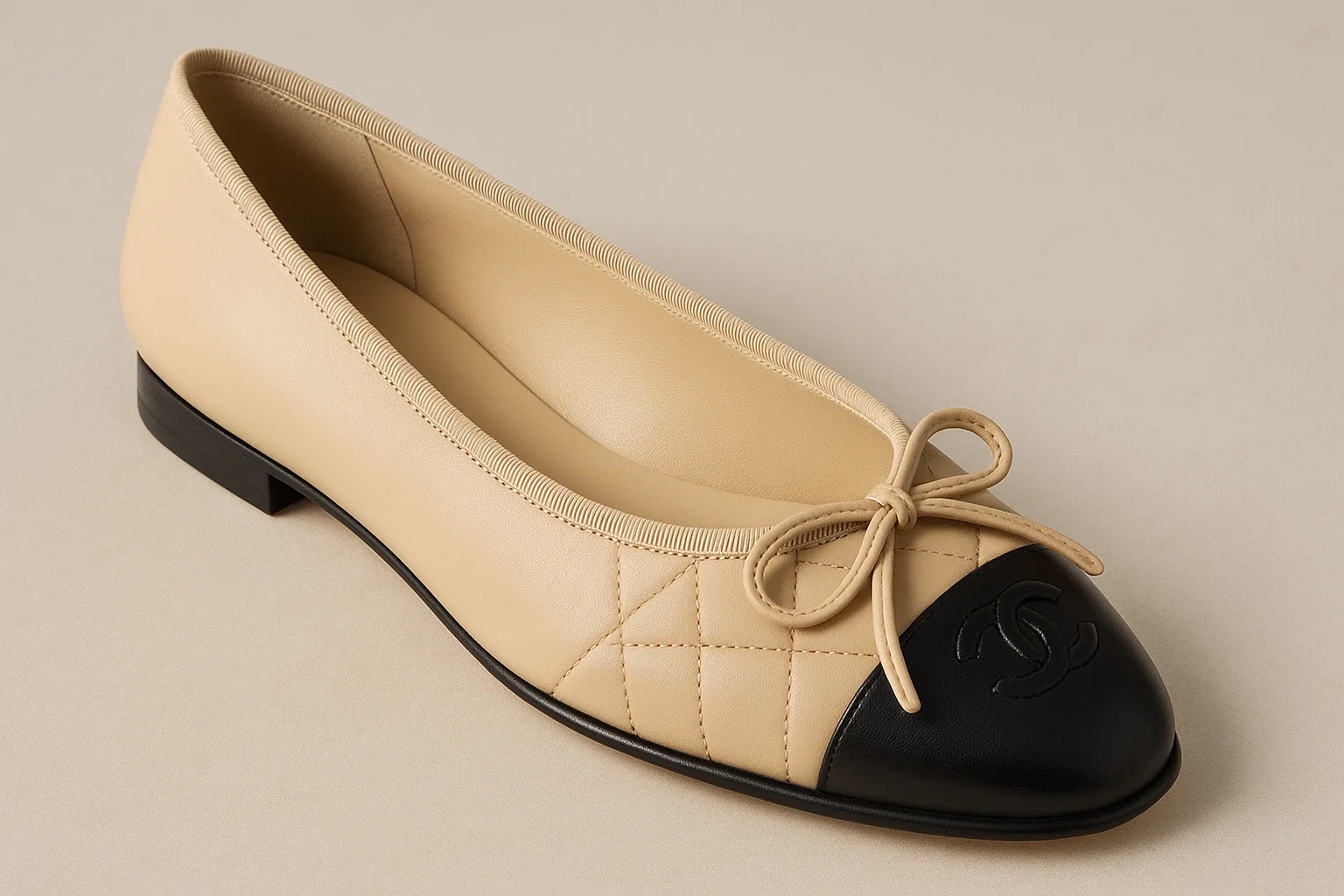
Footwear often reflects both lifestyle and personality. Some shoes are chosen for function, others for appearance, but the most enduring styles bring both together in balance. Exploring designer ballet flats shows how simplicity can carry refinement, making them suitable for everyday routines as well as more polished occasions. Their charm lies in being understated yet versatile, proving that elegance can exist without height or complexity.
The Influence of Material
The fabric or leather used in shoes defines how they feel from the first step to the last. Soft leather adapts to the shape of the foot, gaining character with wear, while suede offers texture and a sense of luxury. Fabric versions may feel lighter, suitable for warmer climates, while modern blends add durability against weather and daily use. Soles vary between thin, flexible designs that echo the traditional ballet form and sturdier versions meant for long hours of walking. Collections of designer ballet flats often highlight these qualities, showing how a change in material can shift both comfort and expression.
Shape and Design Subtleties
Though flats appear simple, small adjustments in shape create very different experiences. A rounded toe carries a classic softness, while a pointed design adds sophistication without the need for heels. Low-cut openings elongate the foot, while higher vamps offer more coverage and support. The structure of the sole and insole determines how the shoe interacts with the body—whether it feels like a slipper or provides firmer stability. The appeal of designer ballet flats lies in these subtle variations, which allow one general style to adapt to multiple settings without losing identity.
Color, Detail, and Character
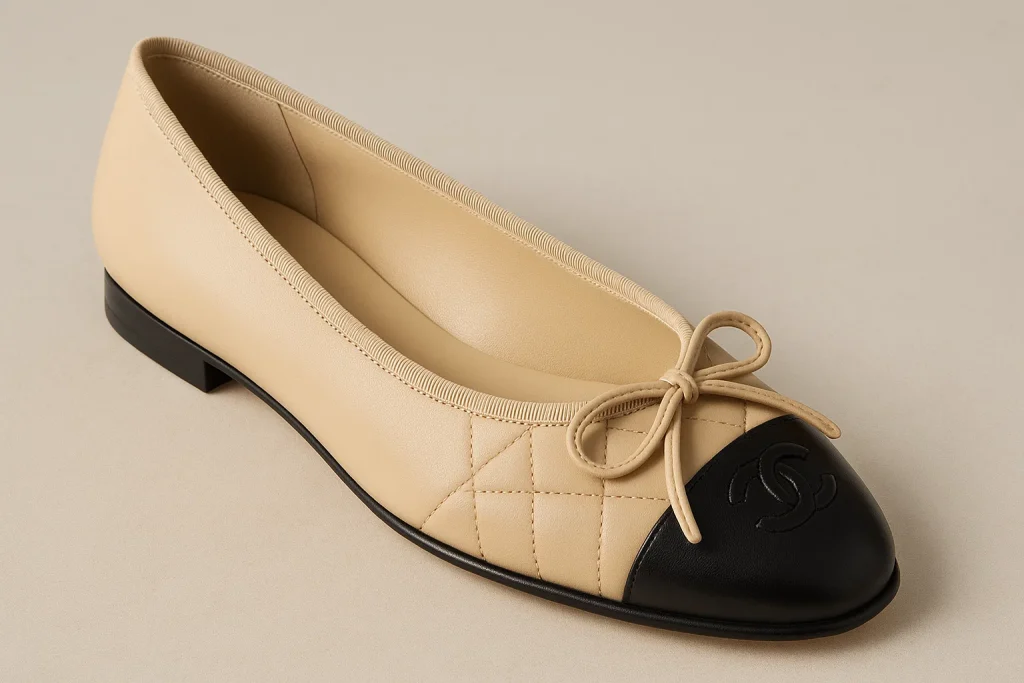
Color shapes the impression shoes leave as strongly as their cut. Neutral shades blend seamlessly with most wardrobes, while bold tones add a striking element to otherwise simple outfits. Finishes such as metallics or patent leather create a sense of occasion, while matte textures lean toward quiet elegance. Decorative elements—bows, straps, stitching, or understated hardware—can transform a flat from minimal to playful. These details allow wearers to express mood and personality, proving that refinement does not always demand extravagance.
Comfort as Lasting Value
The real measure of shoes lies in how they feel after hours of wear. Padding at the heel, gentle arch support, and well-placed seams turn flats into reliable companions rather than occasional accessories. Breathable linings and flexible soles help them adapt to varied conditions, from warm afternoons to cooler evenings. This focus on comfort ensures that style does not come at the expense of ease. When carefully designed, flats disappear from awareness, letting the wearer focus on the rhythm of the day rather than the weight of each step.
Choosing with Awareness
Selecting footwear often benefits from imagining how it will live in daily life. A pair may serve both quick errands and formal events, or it may remain tied to one setting depending on its details. Taking time to compare shape, material, and finish creates stronger connections between choice and experience. Browsing designer ballet flats in this thoughtful way transforms shopping into preparation, ensuring that the shoes chosen reflect both practical needs and personal style.
Closing Reflection
Shoes carry more than feet; they carry the tone of an entire day. When design, material, and detail align, flats can provide both sophistication and comfort, proving that elegance does not require height. Exploring designer ballet flats highlights this harmony, showing how a simple shape continues to evolve while remaining timeless. They endure not because they demand attention, but because they allow confidence to move quietly and steadily through every setting.