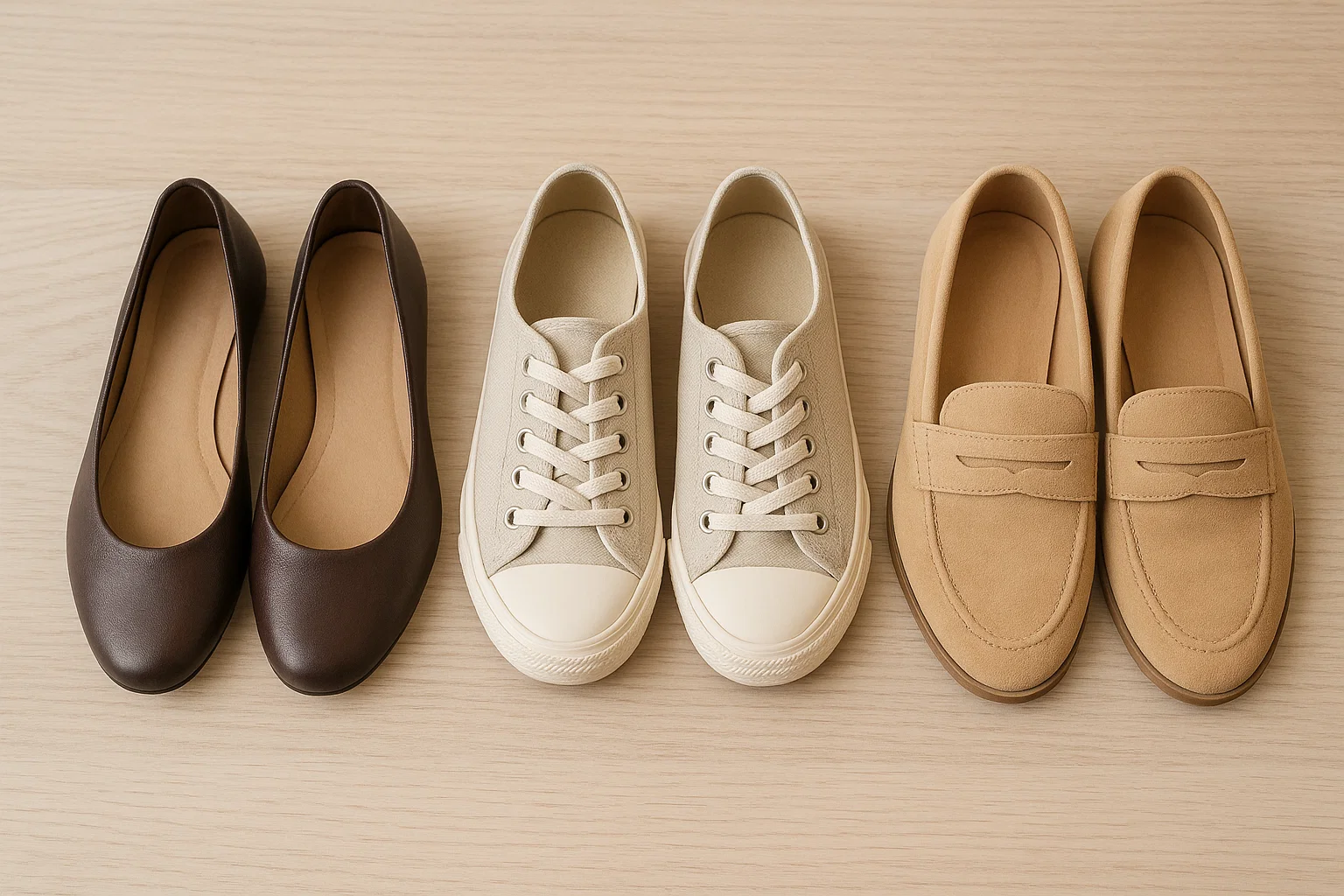
Shoes are more than accessories; they shape how each day feels, influencing comfort, posture, and movement. While high heels or elaborate designs might catch attention, the pairs most often chosen are those that provide balance between ease and appearance. Exploring everyday flat footwear reveals how simple designs can support long hours, adapt to different settings, and remain stylish without effort. They serve as the quiet foundation of many wardrobes, carrying both practicality and subtle refinement.
Materials That Support Comfort
The foundation of good footwear begins with the right materials. Leather adapts gradually to the foot, gaining flexibility while remaining durable. Suede introduces softness and texture but requires thoughtful care to preserve its look. Canvas and woven fabrics provide breathability in warmer climates, while blends of synthetic fibers add resilience and resistance to daily wear. The type of sole—whether lightweight rubber for flexibility or firmer leather for structure—shapes how the body feels across hours of walking. In collections of everyday flat footwear, these material choices determine whether shoes become reliable companions or occasional options.
The Role of Design and Shape
Even when shoes are flat, design details matter. Rounded ballet-inspired silhouettes create a timeless softness, while pointed shapes add sophistication suitable for more formal contexts. Loafers bring structure and versatility, slip-ons emphasize convenience, and sandals open the foot to air while keeping movement easy. The cut of the vamp, the placement of seams, and the contour of the sole all influence comfort. Designers of everyday flat footwear often experiment with these subtleties, ensuring that one category of shoe can adapt naturally to diverse activities, from quick errands to professional settings.
Expression Through Color and Detail
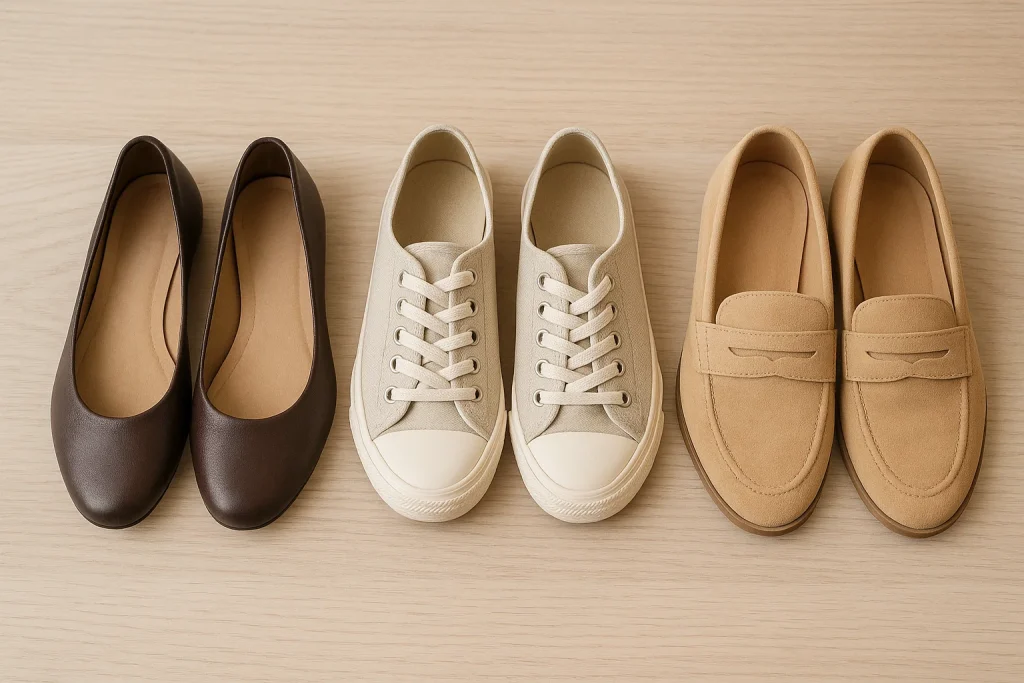
Shoes designed for daily wear do not need to sacrifice character. Neutral tones such as black, beige, or navy provide adaptability, while brighter shades introduce energy and individuality. Metallic finishes or textured patterns add variety, allowing shoes to move from understated to expressive without losing practicality. Small embellishments—bows, stitching, or subtle hardware—give personality while preserving comfort. This attention to visual detail ensures that footwear supports not just physical ease but also the way wearers present themselves each day.
Comfort Hidden in Small Features
What often defines whether shoes feel wearable over long hours is found in hidden elements. Padded insoles distribute pressure evenly, while thoughtful arch support prevents fatigue. Flexible soles allow natural movement, and breathable linings help regulate heat. Even the placement of seams inside the shoe can decide whether a pair feels smooth or causes irritation. These features may not stand out at first glance, but they play a decisive role in turning shoes into trusted daily essentials.
Choosing with Awareness
The process of selecting footwear benefits from considering how it will live in routine. Imagining how shoes will feel during a long commute, a busy workday, or a relaxed evening walk helps make choices that truly align with lifestyle. Browsing everyday flat footwear encourages this thoughtful approach, shifting the decision from appearance alone to a reflection of comfort, durability, and expression. This way, shoes become integrated into the rhythm of daily life rather than remaining separate fashion statements.
Closing Reflection
Shoes that are worn most often are those that provide stability without demanding attention. When design, material, and detail align, flats support confidence and movement while blending seamlessly into varied settings. Exploring everyday flat footwear shows why these designs endure: they carry the quiet strength of simplicity, ensuring that each step of the day is supported by ease, balance, and understated elegance.